
 0
0
 0
0
Why Hamsters Remain Popular Companion Pets
Hamsters have long been considered one of the most approachable pets, especially for individuals and families seeking a small animal companion. Their compact size, relatively quiet nature, and manageable care requirements make them appealing to first-time pet owners. Despite this reputation, keeping a hamster healthy and comfortable requires more understanding than many people expect.
Often perceived as low-maintenance, hamsters actually rely on proper housing, diet, and handling to thrive. Many health and behavioral issues seen in pet hamsters stem from misunderstandings about their natural habits and environmental needs. When these needs are overlooked, even unintentionally, the animal’s quality of life can be significantly affected.
This article explores what it truly means to keep a hamster as a pet. It covers essential care basics, the importance of creating a suitable living environment, and common mistakes owners should avoid. By understanding these aspects, prospective and current owners can make informed decisions and provide responsible, compassionate care.
Understanding Hamster Behavior and Natural Instincts
Hamsters are naturally solitary and nocturnal animals. In the wild, they spend much of their time burrowing, storing food, and navigating territory alone. These instincts continue to influence their behavior in domestic environments and should be respected by owners.
Because hamsters are most active at night, they may appear inactive during the day. This does not indicate illness or boredom, but rather a natural sleep cycle. Disturbing a hamster during daytime rest can lead to stress or defensive behavior, including biting.
Recognizing these traits is essential for responsible small pet care practices. Owners who understand hamster behavior are better equipped to create environments that align with natural instincts rather than forcing interaction on human schedules. Providing enrichment such as tunnels, exercise wheels, and chew toys supports mental and physical health while reducing stress-related behaviors.
Creating a Proper Living Environment
A hamster’s living environment plays a critical role in overall wellbeing. Proper housing goes beyond cage size and appearance. Adequate space allows hamsters to move, explore, and exhibit natural behaviors such as burrowing.
Ventilation, bedding quality, and cage layout all contribute to comfort and safety. Solid flooring is preferred over wire surfaces, which can cause injury. Bedding should be absorbent, dust-free, and deep enough to support burrowing. Regular cleaning maintains hygiene while preserving familiar scents that provide comfort.
Environmental temperature and noise levels also matter. Hamsters are sensitive to extreme temperatures and loud disturbances. Positioning cages away from direct sunlight, drafts, and constant noise helps reduce stress. Thoughtful habitat design reflects responsible small pet care practices that prioritize animal welfare over convenience.
Diet, Nutrition, and Feeding Habits
Proper nutrition is essential for maintaining a hamster’s health. Commercial hamster food blends typically provide a balanced foundation, containing seeds, grains, and pellets designed to meet dietary needs. However, variety remains important.
Fresh vegetables, fruits, and occasional protein sources such as boiled eggs or mealworms can supplement a hamster’s diet. Portion control is critical, as hamsters tend to hoard food. Owners should monitor stored food to prevent spoilage, which can cause digestive issues.
Clean, fresh water must be available at all times, typically through a water bottle designed for small animals. Understanding feeding habits supports responsible small pet care practices, ensuring hamsters receive adequate nutrition without excess or deficiency.
Handling, Social Interaction, and Trust Building
Although hamsters are not social animals, they can become comfortable with gentle human interaction. Building trust requires patience and consistency. Sudden movements or forced handling can cause fear responses.
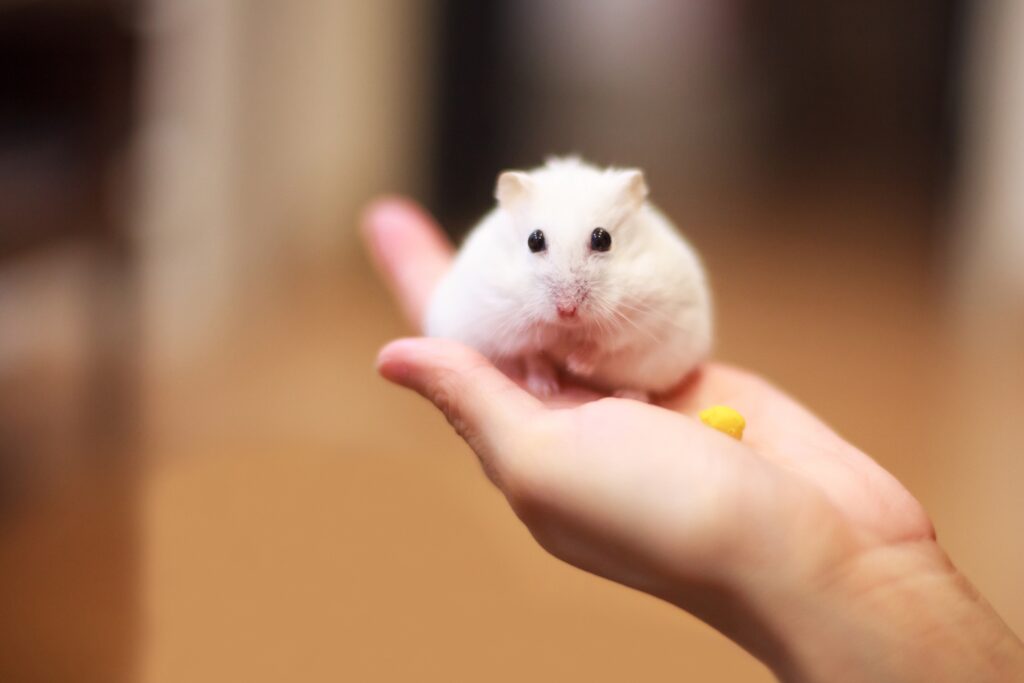
New hamsters benefit from an adjustment period before regular handling begins. Allowing the animal to become familiar with its environment helps reduce anxiety. Gradual interaction, such as offering treats by hand, encourages positive association.
Respecting a hamster’s boundaries is key. Not all hamsters enjoy frequent handling, and owners should observe behavioral cues. Responsible interaction aligns with discussions often found on independent pet care resources, which emphasize respect for animal temperament rather than forced companionship.
Common Mistakes New Hamster Owners Make
Many common hamster care mistakes arise from misinformation or assumptions. One frequent issue is housing multiple hamsters together. Most species are solitary and may fight if forced to share space, leading to injury or stress.
Another mistake involves inadequate cage size. Small cages limit movement and enrichment, negatively affecting physical and mental health. Similarly, neglecting exercise opportunities, such as wheels or tunnels, can result in obesity or boredom-related behaviors.
Overhandling and poor diet choices are additional concerns. Treats high in sugar or fat should be limited, and interaction should always be gentle. Avoiding these mistakes supports healthier, more content hamsters and reflects guidance shared by independent pet care resources.
Health Monitoring and Veterinary Care
Hamsters require regular observation to detect signs of illness early. Changes in behavior, appetite, or appearance may indicate health issues. Common concerns include dental problems, respiratory infections, and digestive disturbances.
While hamsters are small, veterinary care remains important. Finding a veterinarian experienced with small animals ensures appropriate diagnosis and treatment. Preventive care, including proper hygiene and diet, reduces the likelihood of serious health problems.
Understanding when to seek professional care reinforces responsible ownership. Accessing accurate information through responsible small pet care practices helps owners make timely decisions that protect their pet’s wellbeing.
Conclusion
Keeping a hamster as a pet involves more than providing food and a cage. It requires understanding natural behavior, creating a supportive environment, and avoiding common care mistakes. When approached thoughtfully, hamster ownership can be a rewarding experience that benefits both the animal and the owner.
By prioritizing proper housing, balanced nutrition, gentle interaction, and health awareness, owners contribute to a hamster’s long-term wellbeing. Education and patience remain essential components of responsible care. With informed choices and consistent attention, hamsters can thrive as small but meaningful companions, reminding owners that even the smallest pets deserve thoughtful, respectful care.


